Lilybaeum and the Challenges of the Ancient Mediterranean in the Digital Age
Venue
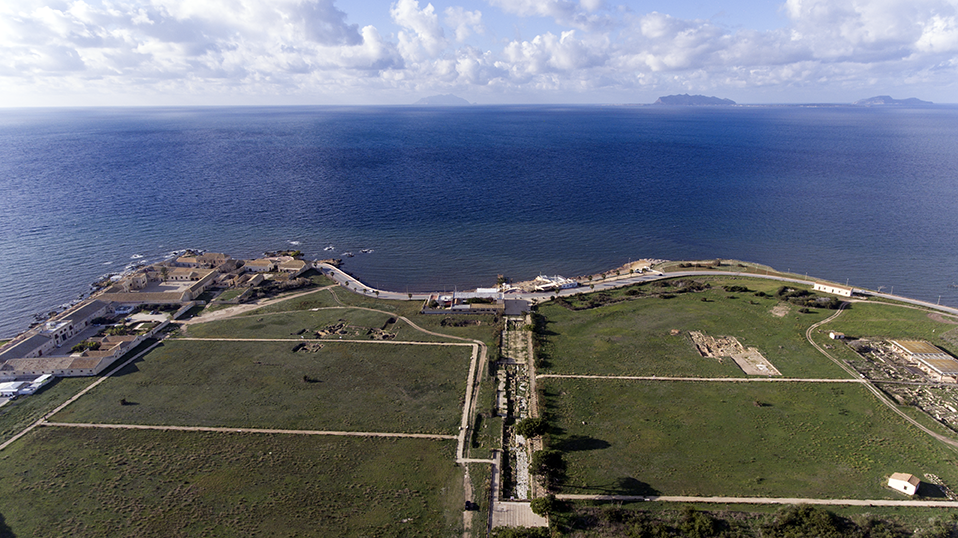
Museo Lilibeo–Marsala
Conference Hall "Maria Luisa Famà"
Lungomare Boeo 30
91025 Marsala (TP), Italy
Schedule
- International Conference
Tuesday, 15 September 2026
09:30–17:00 - Hands-on Workshop
Wednesday, 16 September 2026
09:30–15:30
Languages
English is the official language of the conference. The hands-on workshop will be conducted in Italian, with support available in English and French.
Programme and Resources
Explore the conference programme, abstracts, and educational resources.
International Conference
Presentations by leading international scholars exploring the future of archaeology in the digital age.
Book of Abstracts
Browse the complete collection of conference abstracts.
Hands-on Workshop
A practical introduction to semantic modelling and ontology development in archaeology, using Protégé.
Why This Conference?
Archaeology is producing an unprecedented volume of digital information. Excavation records, landscape surveys, archaeometry, historical sources, remote sensing, GIS, and 3D documentation are transforming the way we investigate the ancient world.
This wealth of information offers extraordinary opportunities for research and heritage management. Yet it also raises fundamental challenges. Archaeological data remain fragmented across projects, institutions, and formats, limiting interoperability, long-term preservation, and the reuse of knowledge.
As archaeological datasets continue to grow, developing shared standards and sustainable digital practices has become essential for the future of the discipline.
Building FAIR Archaeology
The conference explores how archaeology can fully embrace the principles of FAIR data and Open Science by promoting structured, interoperable, and reusable digital information.
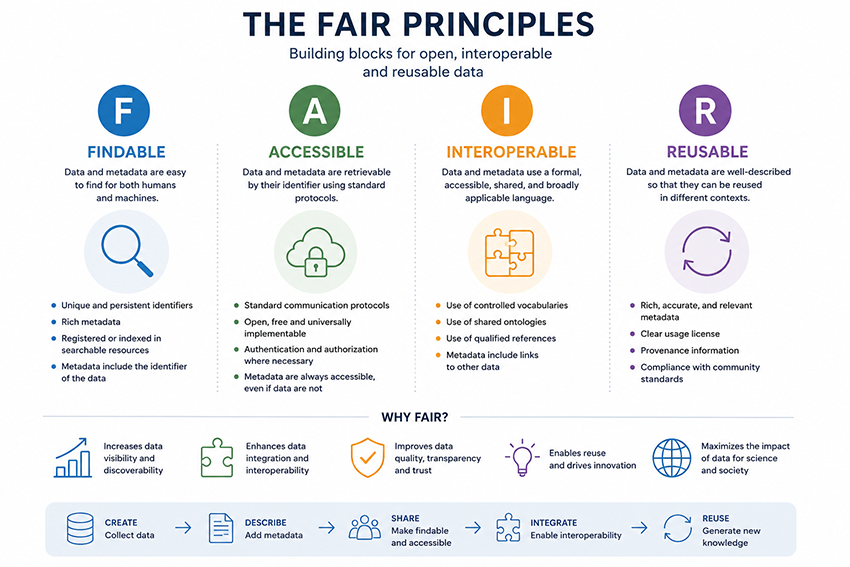
Adopting common standards throughout the archaeological data lifecycle enables:
- Better comparison between archaeological sites and regions
- Greater interoperability across projects and institutions
- Improved transparency and reproducibility
- Mediterranean-scale and macro-regional research
- Long-term preservation and reuse of archaeological knowledge
Ultimately, FAIR archaeology is not simply about managing data; it is about creating knowledge that remains accessible, connected, and reusable for future generations.
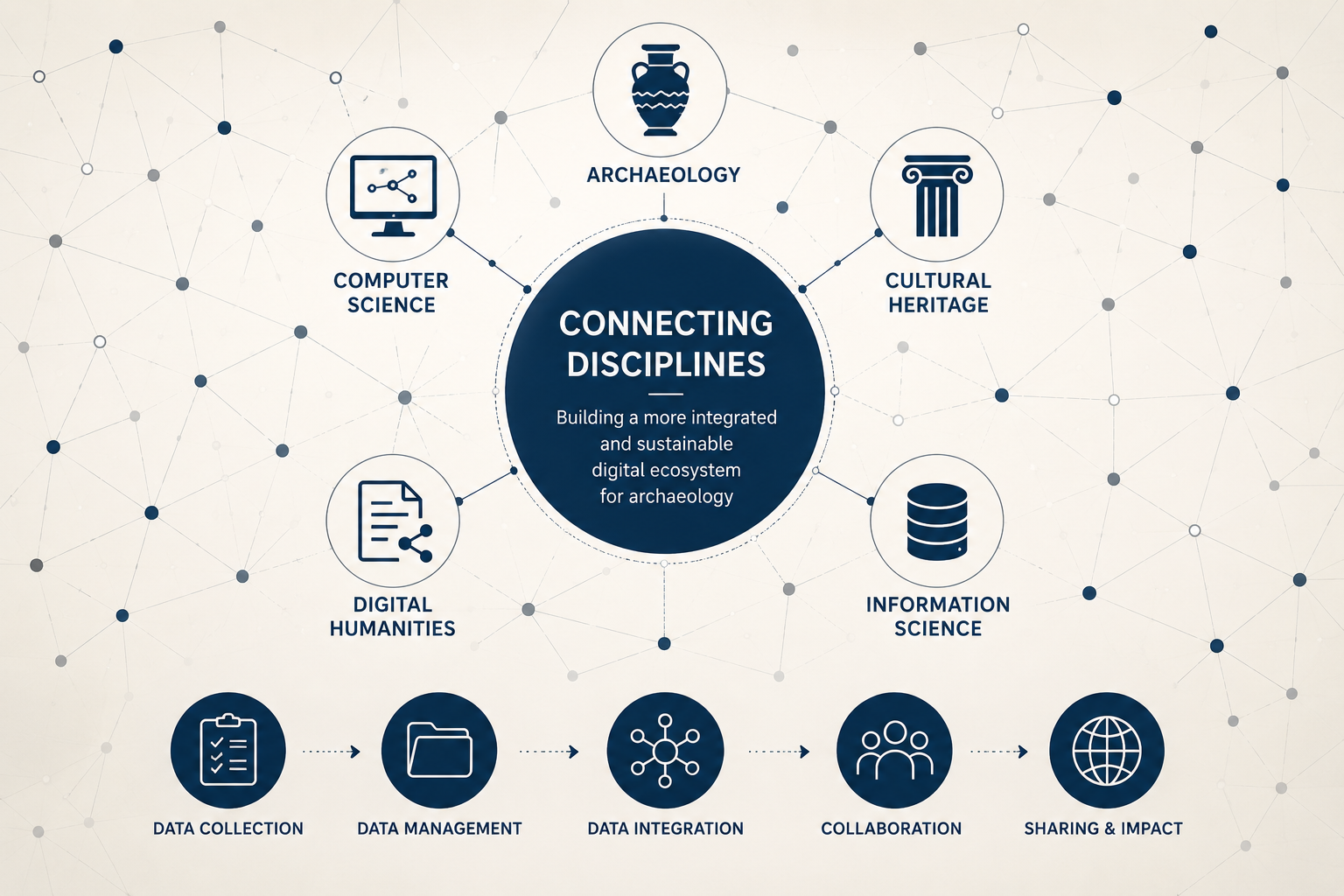
Connecting Disciplines
Addressing today's archaeological challenges requires collaboration across disciplinary boundaries.
From the Sea to Networks brings together experts from archaeology, cultural heritage, computer science, digital humanities, and information science to explore innovative approaches for documenting, managing, and sharing archaeological knowledge.
Together, these communities contribute to building a more integrated and sustainable digital ecosystem for archaeology.
A Shared Vision
Hosted at the Archaeological Park of Lilybaeum–Marsala, one of the Mediterranean's most significant archaeological site, the conference provides an international forum for dialogue between researchers, heritage institutions, and digital innovation specialists.
Rather than representing a niche specialisation, digital archaeology is presented as an for the future of archaeological research, cultural heritage management, and international research infrastructures.
By connecting archaeological evidence with semantic technologies, artificial intelligence, and FAIR data practices, From the Sea to Networks seeks to foster new forms of collaboration and inspire the next generation of digital archaeological research.
Organising Committee
- Fabrizio Ducati
Aix Marseille Université – Centre Camille Jullian (CCJ) - Tomoo Mukai
CNRS – Centre Camille Jullian (CCJ) - Roger J. A. Wilson
University of British Columbia (UBC) - Maria Grazia Griffo
Archaeological Park of Lilybaeum–Marsala (PALM)
Acknowledgements
This conference is funded by the European Commission through the Frontiers Inside Roman Sicily (FIRS) project, supported by the Horizon Europe Marie Skłodowska-Curie Postdoctoral Fellowships programme.
Additional support has been provided by the Université Franco-Italienne (UFI) through the 2e Label Scientifique 2025.
