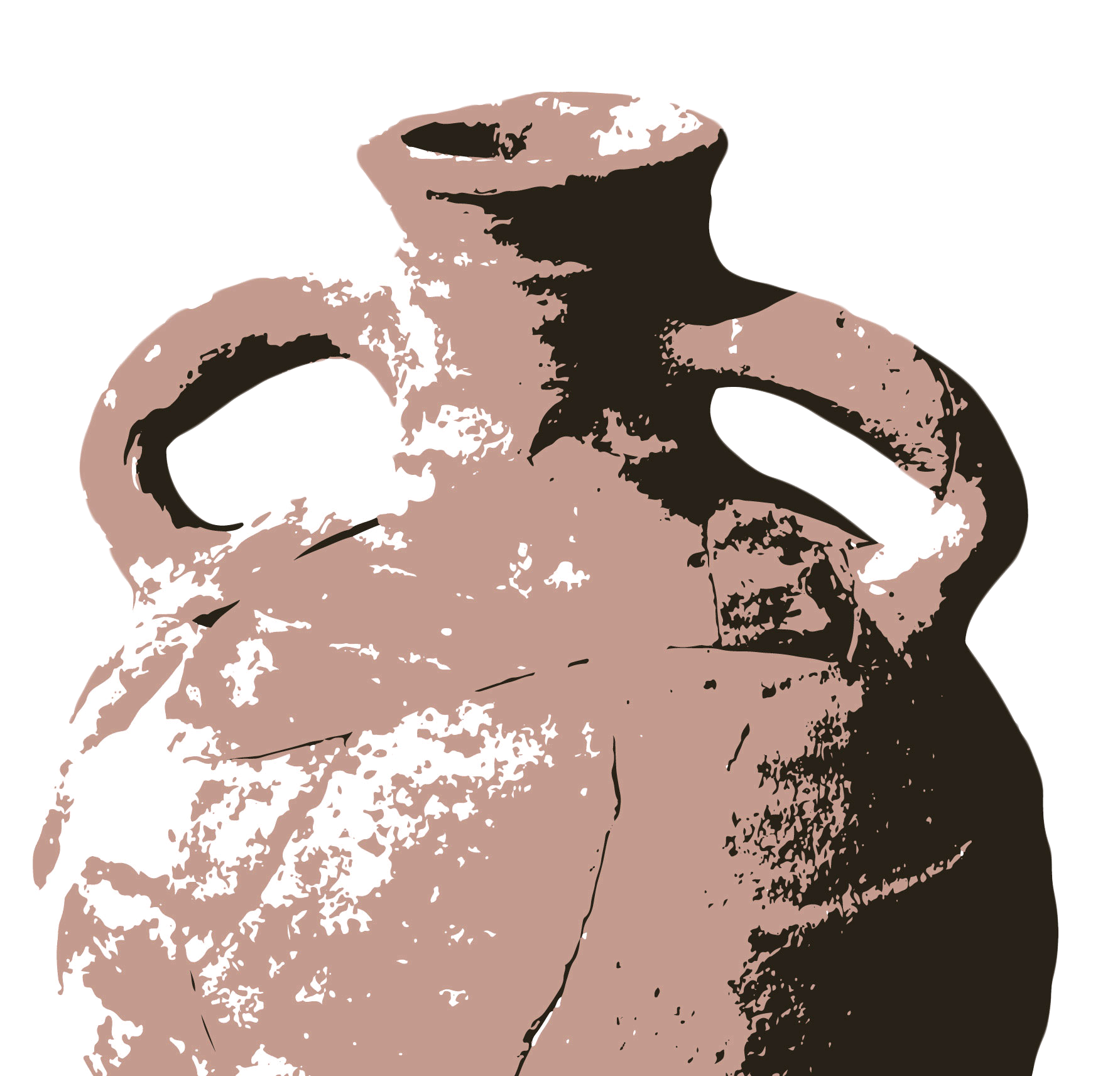
Mineralogical, petrographic, and chemical analyses of selected ceramic samples make it possible to identify the sources of the clay used, thereby increasing the chances of distinguishing imported wares from local productions. They also contribute to the study of manufacturing technologies and the detection of residual food traces, improving our understanding of ancient economies and dietary practices.
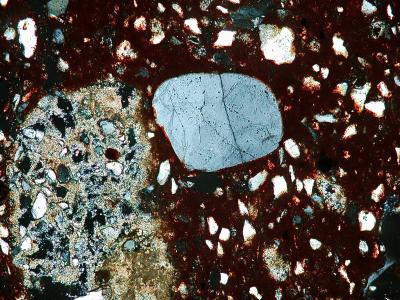
- Thin sections. A ceramic sample of approximately 2 cm is reduced to a thickness of 30 microns and examined under a polarizing microscope. Light passes through the minerals, revealing their optical properties and facilitating their identification. Dr Claudio Capelli will conduct the petrographic analyses. For an introduction to ceramic petrography, see Quinn, P. S. (2013), Ceramic Petrography: The Interpretation of Archaeological Pottery & Related Artefacts in Thin Section, Oxford: Archaeopress.
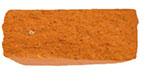
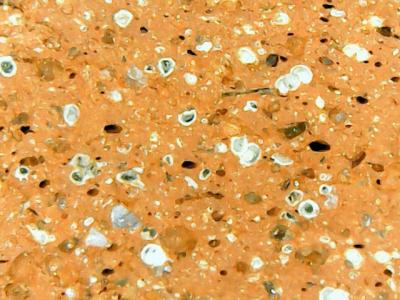
- Whole Rock Analysis (WRA) and ICP. A ceramic sample of approximately 5 g is manually pulverized in an agate mortar and then fused using a lithium metaborate/tetraborate flux. The resulting fused bead is rapidly dissolved in a dilute nitric acid solution. This procedure ensures the complete dissolution of the sample, including major oxides such as SiO2, refractory minerals, rare earth elements (REE), and other high-field-strength elements. The resulting solution is analysed using ICP-OES and ICP-MS techniques. The analytical quality obtained is exceptionally high and suitable for the most demanding applications. WRA and ICP analyses will be carried out at Actlabs.